Medical OEM enclosure builds
Medical device enclosure prototypes for OEM builds
Check enclosure fit, ergonomics, inserts, gasket features, mounting, and pilot-build readiness before tooling. MakerStage quotes CNC machined, 3D printed, and sheet metal enclosure parts with DFM feedback.
- CNC machined frames
- 3D printed housings
- Sheet metal covers
- Order-stage DFM after confirmation
- Material certs on request
- ISO 13485 partner routing when required
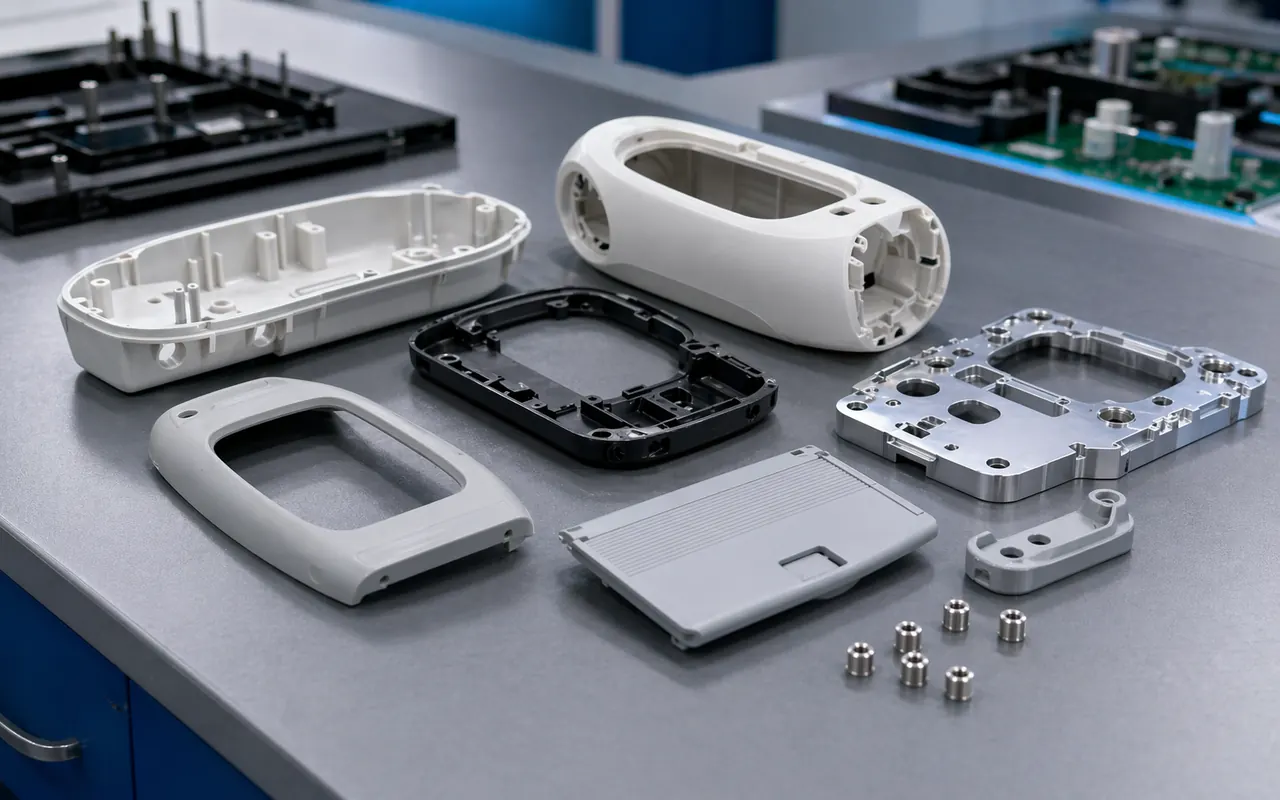
Prototype scope
What an enclosure prototype should prove
A medical enclosure is more than a shell. It controls how the device is held, how internal electronics mount, how cables exit, and how service parts like battery doors repeat across builds. The right prototype separates those questions so each build teaches something specific.
External housing parts
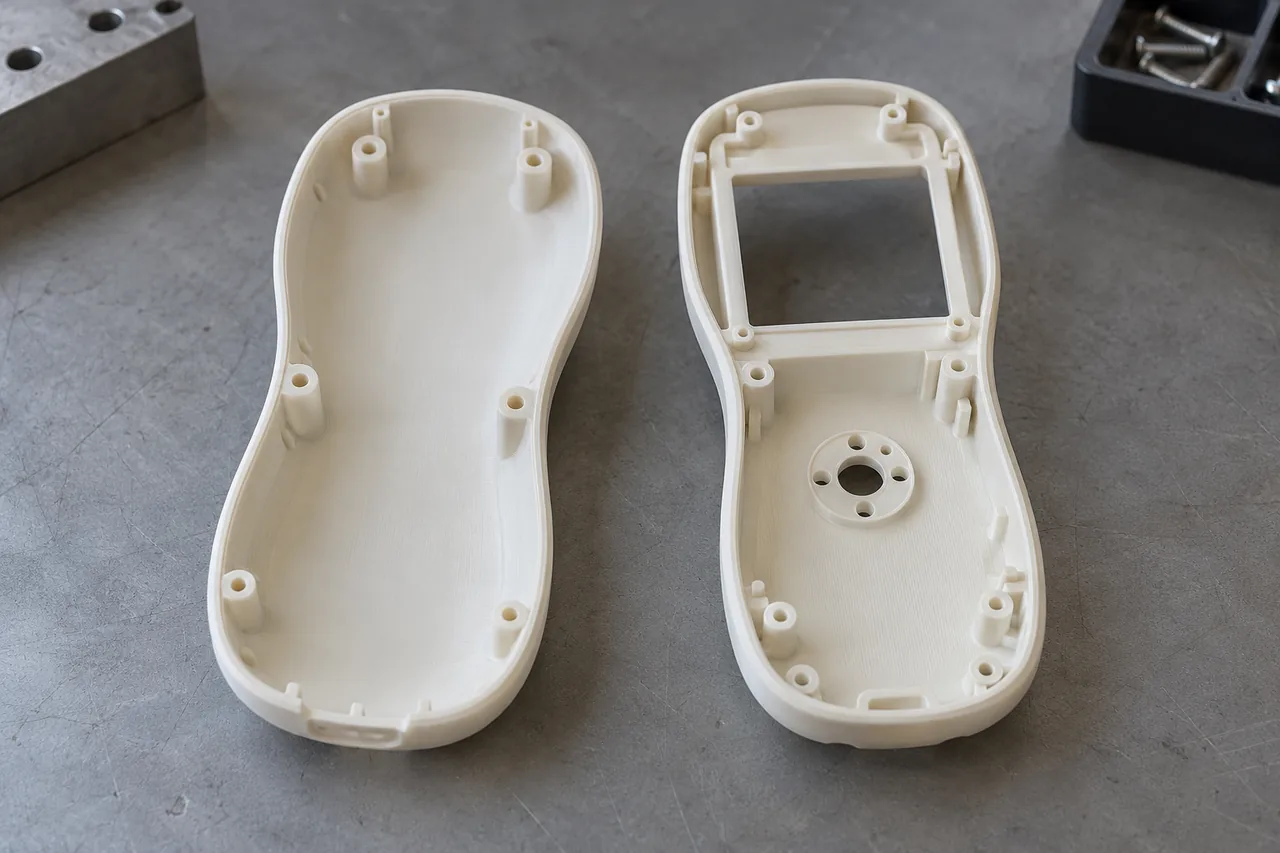
Prototype shells, display bezels, battery doors, covers, and cosmetic panels for wearable and handheld devices.
Internal mounting hardware
Sensor mounts, PCB bosses, machined metal frames, strain-relief brackets, and insert-ready features.
Sealing and interface features
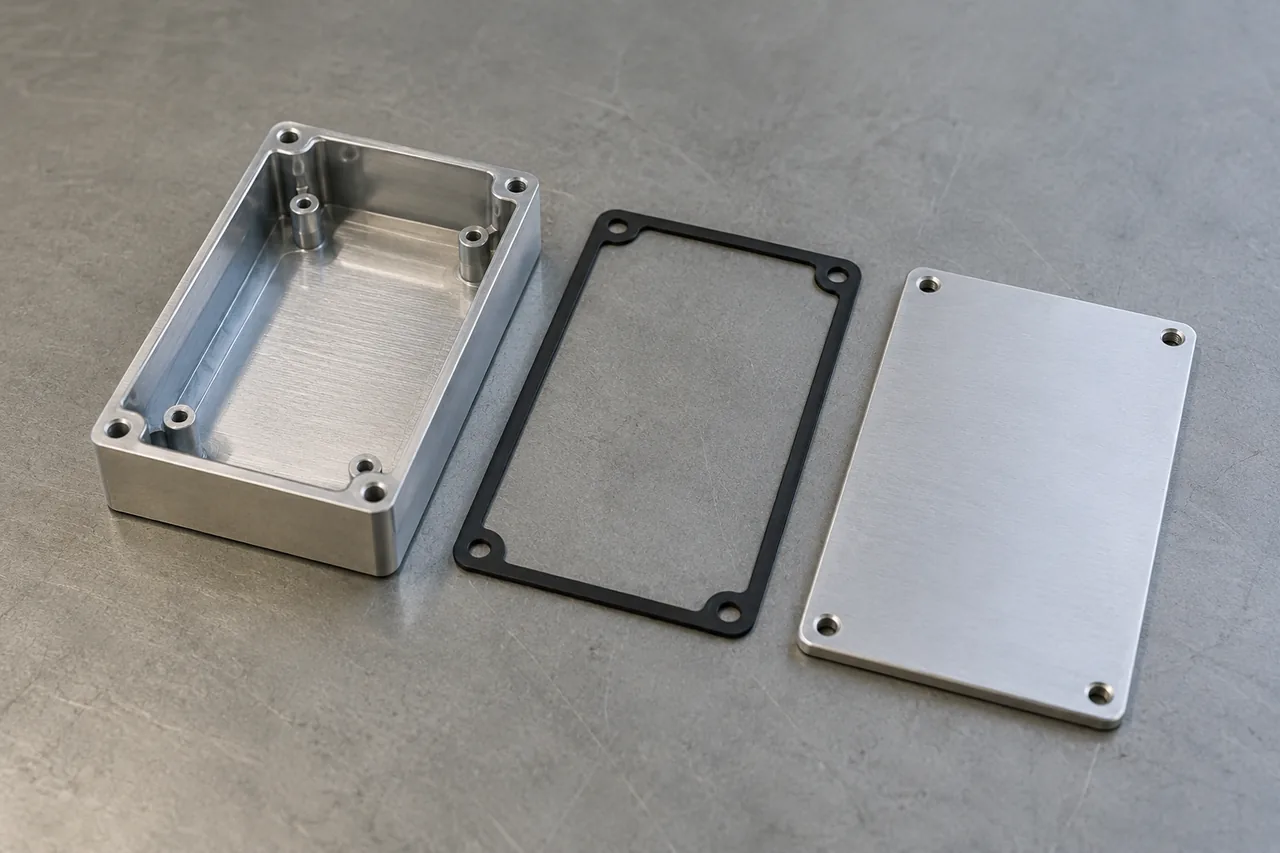
Gasket grooves, O-ring seats, cable exits, display openings, latch interfaces, and datum features for inspection.
Process selection
Pick the process by prototype question
A single enclosure program may use several processes. Use 3D printing for shape and ergonomic learning, CNC machining for datums and precise interfaces, and sheet metal when the enclosure needs bent covers, shields, trays, or pilot panels.
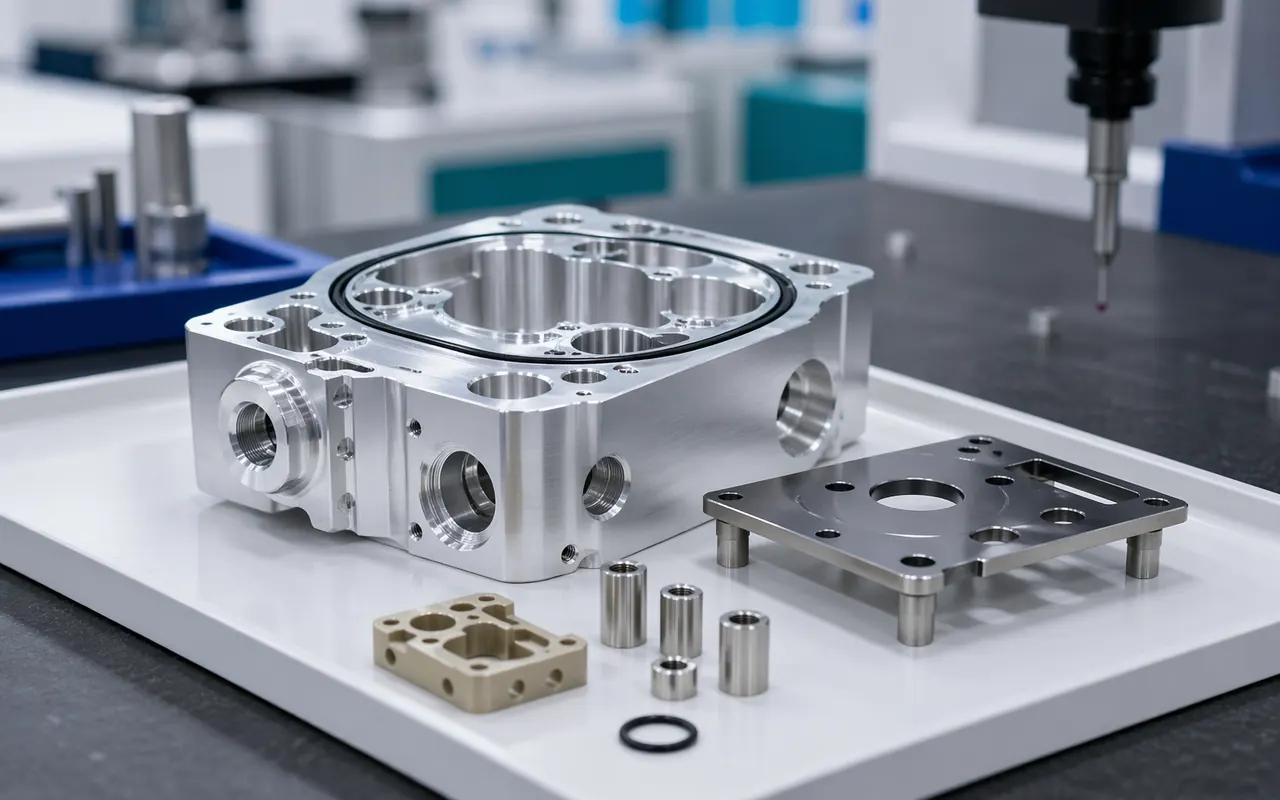
CNC machining
- Use it for
- Machined frames, sensor plates, datum-heavy covers, threaded insert bosses, and tight-fit interface parts.
- Common material families
- 6061-T6 aluminum, 7075 aluminum, 316L stainless steel, PEEK, acetal, and other engineering plastics.
- Tradeoff
- Higher unit cost than printed prototypes, but stronger fit checks for threads, flatness, sealing grooves, and production-intent datums.
3D printing
- Use it for
- Early shells, ergonomic models, display bezels, battery-door trials, latch concepts, and cable routing checks.
- Common material families
- SLS nylon, MJF nylon, SLA resin, FDM plastics, and other process-specific materials based on prototype intent.
- Tradeoff
- Good for iteration speed and geometry checks. Use CNC or sheet metal when the prototype must validate final material behavior.
Sheet metal fabrication
- Use it for
- Bent covers, shields, trays, brackets, device carts, base plates, and low-volume pilot enclosures.
- Common material families
- 5052 aluminum, 304 stainless steel, 316 stainless steel, cold-rolled steel, and powder-coated or anodized finishes.
- Tradeoff
- Strong fit for covers and structural panels. Bend radii, reliefs, PEM hardware, and finish masking need to be clear in the drawing.
| Process | Use it for | Common material families | Tradeoff |
|---|---|---|---|
| CNC machining | Machined frames, sensor plates, datum-heavy covers, threaded insert bosses, and tight-fit interface parts. | 6061-T6 aluminum, 7075 aluminum, 316L stainless steel, PEEK, acetal, and other engineering plastics. | Higher unit cost than printed prototypes, but stronger fit checks for threads, flatness, sealing grooves, and production-intent datums. |
| 3D printing | Early shells, ergonomic models, display bezels, battery-door trials, latch concepts, and cable routing checks. | SLS nylon, MJF nylon, SLA resin, FDM plastics, and other process-specific materials based on prototype intent. | Good for iteration speed and geometry checks. Use CNC or sheet metal when the prototype must validate final material behavior. |
| Sheet metal fabrication | Bent covers, shields, trays, brackets, device carts, base plates, and low-volume pilot enclosures. | 5052 aluminum, 304 stainless steel, 316 stainless steel, cold-rolled steel, and powder-coated or anodized finishes. | Strong fit for covers and structural panels. Bend radii, reliefs, PEM hardware, and finish masking need to be clear in the drawing. |
Shape and ergonomics
Use printed shells when the main question is hand feel, access, cable routing, or display placement.
Datums and interfaces
Use CNC frames when the prototype needs threads, flatness, gasket grooves, sensor bores, or stable inspection datums.
Pilot repeatability
Use controlled drawings, inspection notes, and documentation routing when the same enclosure package must repeat across builds.
DFM checklist
Design details that make prototype quotes usable
DFM review is most useful when the enclosure package tells the supplier which features are cosmetic, which features control fit, and which features must be inspected. That prevents a quote from treating a rough ergonomic shell like a final production housing.
Separate cosmetic shells from structural frames when the prototype must test both look and stiffness.
Call out insert type, thread size, and pull-out expectations instead of marking every boss as a generic hole.
Dimension display openings, button pockets, cable exits, and sensor windows from stable datums.
State whether gasket grooves and O-ring seats are for fit checks, pilot builds, or final sealing validation.
Use the same revision code across CAD, drawings, and RFQ notes so quoting does not mix old and new geometry.
List inspection needs up front: first-article checks, CMM inspection on request, or simple dimensional reports.
Prototype to pilot
Move from shape checks to controlled pilot builds
The enclosure package should become more controlled as the design matures. Early prototypes can tolerate ambiguity. Pilot builds need revision control, material choices, finish notes, inspection requirements, and supplier routing requirements.
Concept prototype
Goal: Check size, ergonomics, display placement, cable routing, and battery access before detailed drawings lock.
Output: Usually 3D printed shells or simple machined plates with enough detail to expose fit problems early.
Functional prototype
Goal: Validate fasteners, inserts, gasket seats, sensor mounting, PCB stack height, and frame stiffness.
Output: Often mixes CNC machined metal, 3D printed covers, and selected sheet metal brackets.
Pilot build
Goal: Prepare the enclosure package for repeated builds, inspection, and supplier routing requirements.
Output: Includes controlled revisions, material and finish requirements, inspection notes, and documentation requests.
RFQ package
What to include in an enclosure prototype RFQ
A clear RFQ lets the supplier quote the right process, supplier route, documentation level, and inspection scope. If ISO 13485 supplier routing is required, state that before quoting so the work is matched to the right facility.
- STEP or native CAD for every enclosure part
- 2D drawings for tolerance, finish, threaded insert, and inspection requirements
- Material and finish targets, including color or texture requirements when cosmetic fit matters
- Build quantity by revision, not only total annual volume
- Required documentation such as MTRs, CoC, or dimensional inspection reports
- ISO 13485 routing requirement if the project must use a certified supplier
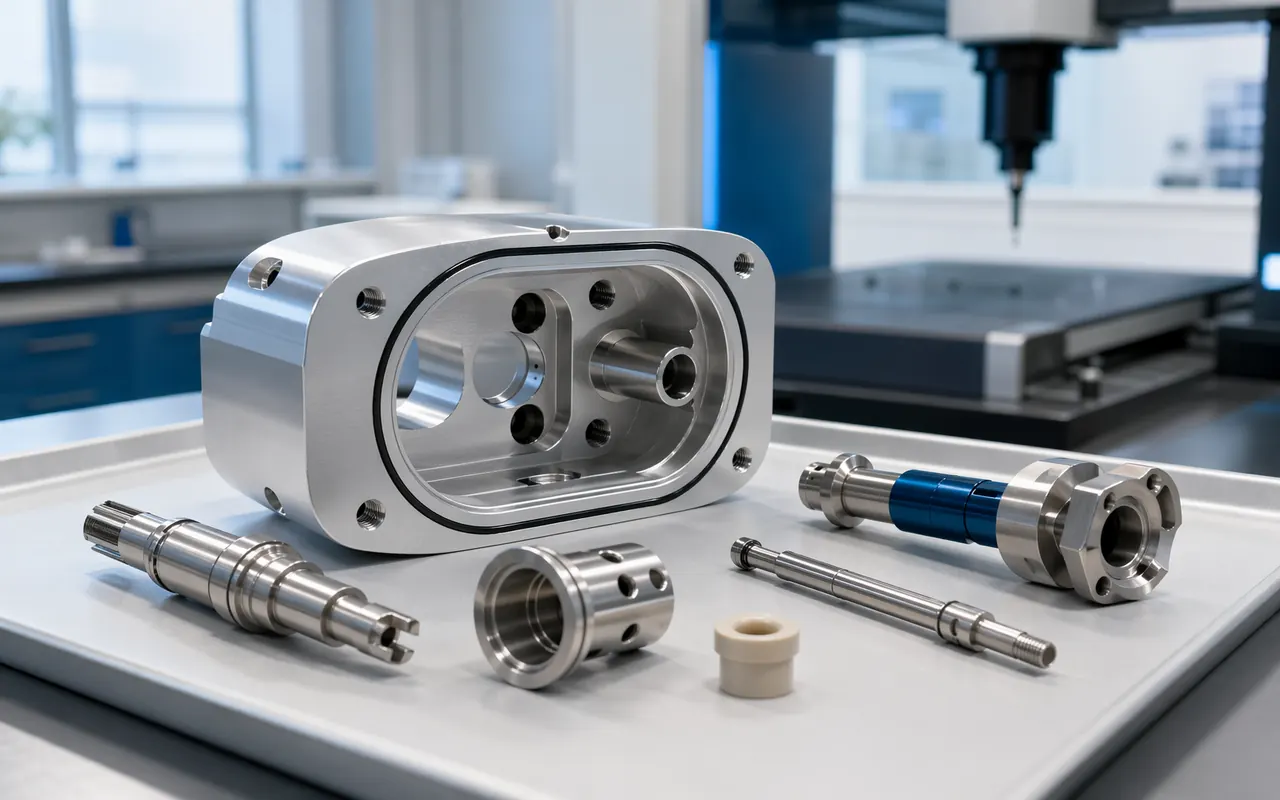
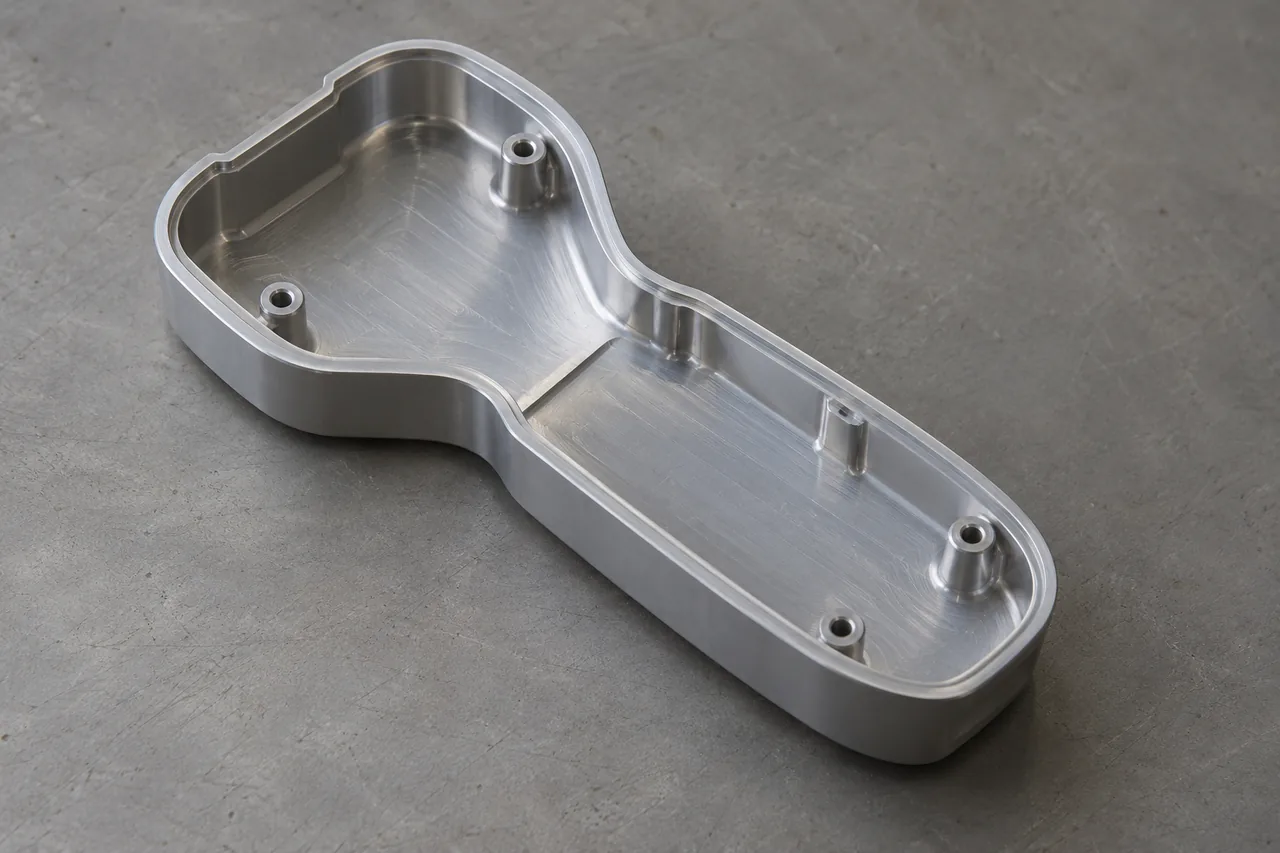
Illustrative component examples
View the component geometry, mounting features and interfaces in each image.
Medical device enclosure prototype FAQs
Plan the rest of the medical OEM build
Use these pages when the enclosure quote also needs medical OEM routing, controlled RFQ inputs, or machined medical components.
Use the parent OEM page when your enclosure program also includes precision parts, fixtures, or documentation-heavy medical hardware.
Prepare CAD, drawings, quantities, material, finish, inspection, and documentation requirements before quoting.
Review medical CNC material, tolerance, inspection, and documentation considerations before quoting machined enclosure frames.
Related Resources
Reference pages for RFQ preparation, medical CNC requirements, and supplier qualification.
Quote enclosure prototypes with the right process and documents
Upload CAD, drawings, quantity, material, finish, inspection, and documentation requirements. MakerStage will route CNC machining, 3D printing, or sheet metal enclosure parts based on what the prototype needs to prove.
CNC machining, 3D printing, sheet metal, material certs, and ISO 13485 partner routing when required.