About MakerStage
MakerStage helps hardware teams buy custom parts without rebuilding the supplier search from scratch. Upload CAD and drawings, receive an engineer-reviewed quote typically within one business day, and keep manufacturing context attached as parts move from prototype to production.
- CNC, 3D printing, sheet metal, injection molding, extrusion, finishing, and inspection routing
- Quote response is typically within one business day for standard requests
- Repeat orders return to the same manufacturer by default whenever possible
±0.0002"
Tightest CNC tolerance
When geometry, process, and inspection scope support it.
99.8%
On-time delivery
Tracked across completed orders and supplier routing.
1–10 days
Typical lead time
Process, finish, and inspection scope can change schedule.
Operating model
Why MakerStage exists
Custom part buying should not depend on a new email thread, a new supplier search, and a new explanation every time a design changes.
MakerStage was built for engineers and procurement teams that need custom parts across prototype, bridge, and production work. The platform combines quote-stage engineering review with a vetted supplier network so process fit, inspection scope, and repeat-order history stay connected.
That matters because manufacturing quality is mostly decided before the order is released. A complete RFQ package, the right manufacturer, and clear inspection requirements reduce avoidable rework better than a generic quote form can.
Quote from complete engineering context
The RFQ should include CAD, drawings, material, finish, quantity, inspection needs, and schedule so pricing does not depend on guesswork.
Route by process fit, not a generic shop list
The manufacturer should match the process, material, tolerance level, finish, documentation, and repeat-order history.
Preserve context when the part repeats
Repeat work should keep supplier memory around workholding, finish expectations, inspection history, and packaging notes.
RFQ package
CAD, drawings, material, finish, quantity, and schedule.
Engineer review
Process fit, DFM notes, inspection needs, and quote scope.
Supplier routing
Manufacturer matched to equipment, material, and quality fit.
Order memory
Repeat builds retain prior routing and production context.
Capabilities
What MakerStage routes
The core workflow covers CNC machining, 3D printing, and sheet metal, with supplier routing for molding, extrusion, finishing, and inspection when the RFQ requires it.
CNC machining
3-axis and 5-axis milling and turning with as tight as ±0.0002" and 46 metals and engineering plastics.
3D printing
SLS, SLA, FDM, MJF, PolyJet, DMLS, and metal FFF across 101 materials. Typical lead time: 1–5 day.
Sheet metal
Laser cutting, press brake forming, welding, hardware insertion, and finishing with ±0.005" cutting tolerance and 25+ materials.
Process proof
The process mix buyers ask about first
Prototype, bridge, and production jobs do not all belong at the same kind of manufacturer. The buying path starts by matching the work to the process, material, finish, quantity, and inspection requirement.
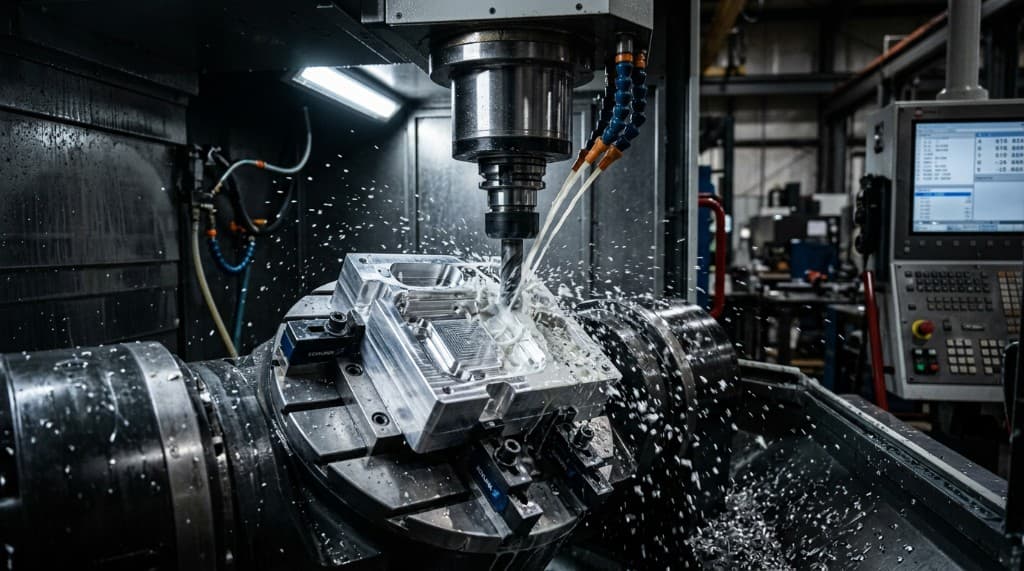
CNC milling
Machined prototypes, fixtures, tooling, and production parts depend on process fit, material behavior, and inspection scope.
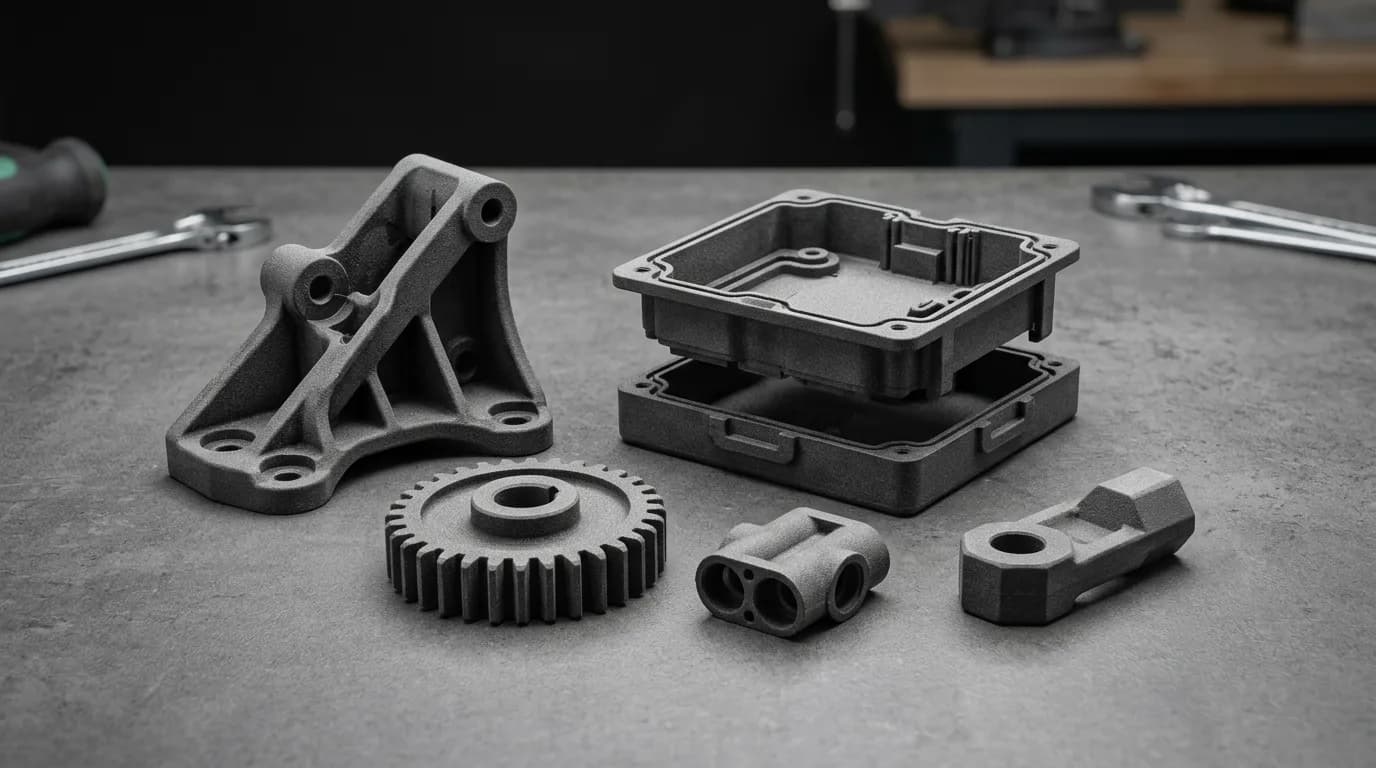
3D printing
Printed prototypes and bridge-production parts are routed by technology, material, finish, build quantity, and end-use requirements.
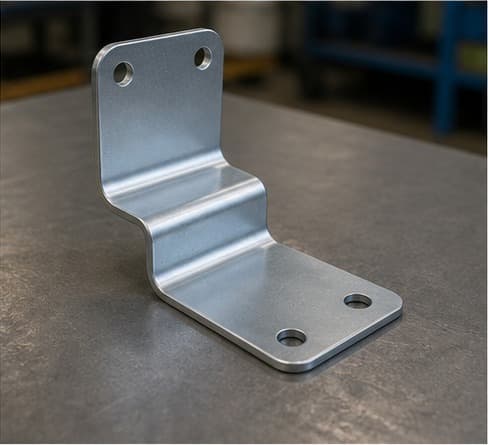
Sheet metal fabrication
Laser-cut, formed, welded, finished, and hardware-ready sheet metal parts need bend, material, and documentation context up front.
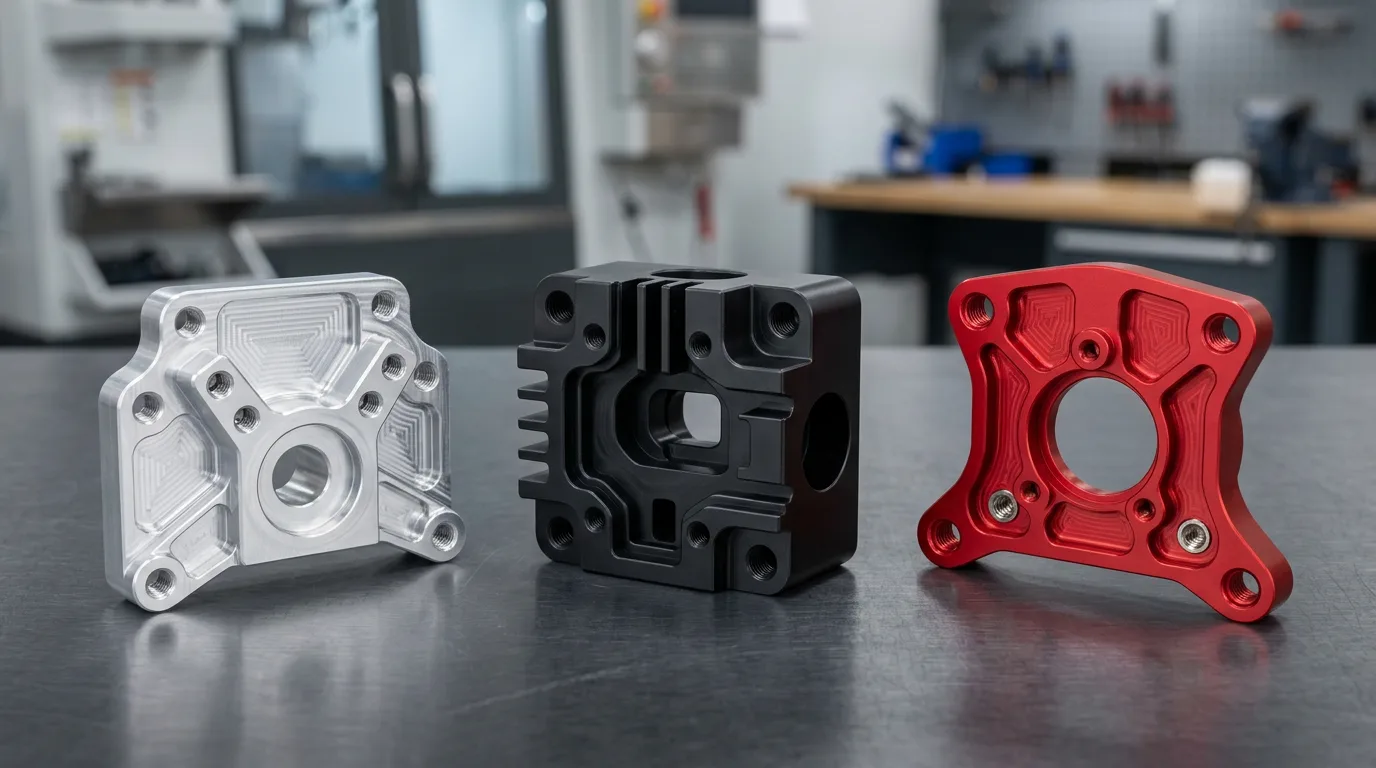
Anodized aluminum finish
Finishing is part of the manufacturing scope, not a cosmetic afterthought. Masking, color, and Type II or Type III requirements belong in the RFQ.
Quality and documentation
Inspection scope belongs in the quote, not after shipment
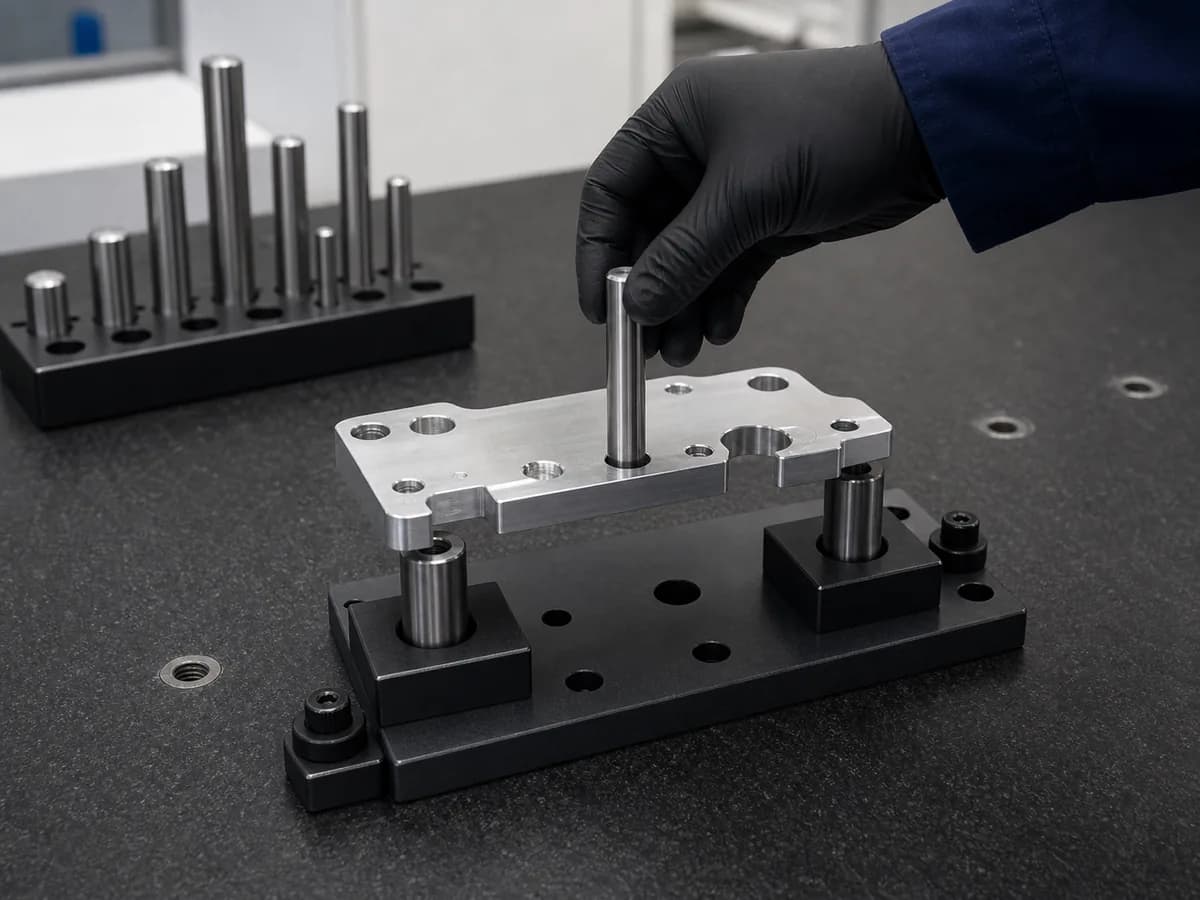
A drawing with critical dimensions, datum structure, material certifications, or customer documentation requirements needs those details captured before supplier routing.
ISO 9001 supplier options
Select suppliers in the network are ISO 9001 certified. We route quality-sensitive work to fit the documentation requirement.
CMM and dimensional inspection
CMM inspection available on request. Dimensional reports can be scoped during RFQ review.
Material and shipment documentation
Inspection reports and MTRs on request. CoCs and drawing-based requirements should be called out before quote approval.
NDA-ready file handling
Sensitive CAD, drawings, and supplier instructions can be handled under NDA when the project requires confidentiality.
Industries
Built for documentation-heavy hardware teams
The common thread is not one industry label. It is the need for controlled files, clear supplier routing, traceable requirements, and custom parts that can repeat.
Medical devices
Prototype housings, fixtures, machined frames, and documentation-heavy supplier routing.
Semiconductors
Wafer handling fixtures, chamber components, test sockets, and precision tooling.
Robotics
Actuator housings, end effectors, brackets, sensor mounts, and repeat custom parts.
Renewable energy
Battery enclosures, inverter housings, mounting hardware, and production fixtures.
Solar energy
Tracker drivetrain parts, inverter thermal components, and balance-of-system hardware.
Press
Independent coverage of the company history
This list is limited to editorial coverage of MakerStage and the earlier Make brand, not directory listings or self-published announcements.
Older coverage from 2020 uses the name Make. Those articles remain here because they document the same company history before later MakerStage coverage.
Solving the Procurement Puzzle: MakerStage's Vision for Smarter, Compliant Medical Manufacturing
May 7, 2026
Fabbaloo covered MakerStage's medical-device manufacturing procurement workflow, ISO 13485 partner routing, CNC and additive process selection, and distributed supplier network.
Read coverageMakerstage relaunches digital manufacturing platform with 200+ suppliers across the U.S. and Asia
March 27, 2026
VoxelMatters covered the MakerStage relaunch, expanded multi-region supplier network, engineering resource hub, and planned instant quoting engine.
Read coverageMeet Make, a San Fran-based digital manufacturing platform
September 4, 2020
VoxelMatters introduced the company under the Make name, covering low-volume manufacturing, additive manufacturing, CNC machining, and COVID-response work.
Read coverage3D Printing Providing Opportunities During COVID-19
May 27, 2020
Plastics Technology profiled Make during COVID-19, covering its digital manufacturing workflow platform, distributed industrial 3D printer network, and face shield production.
Read coverageGrad student-organized COVID-19 response lab mobilizes teams to tackle coronavirus response
April 12, 2020
The Stanford Daily highlighted Make inside Stanford's Response Innovation Lab, focusing on distributed 3D printing for face shields, masks, and ventilator parts.
Read coverageWhere to go next
Use these pages when you want the operational details behind the About page: supplier routing, inspection options, and quote cost drivers.
See how repeat-order routing keeps manufacturer context attached to custom parts.
Compare inspection, material certification, FAI, CoC, and dimensional report options.
Understand how material, quantity, tolerance, finish, and inspection scope affect quotes.
Start an RFQ with the right context
Upload CAD files and drawings, choose the process, material, finish, quantity, and inspection needs, and get an engineer-reviewed quote typically within one business day.