Vetted Supplier Network for Repeat Custom Parts
MakerStage routes CNC, sheet metal, 3D printing, injection molding, extrusion, finishing, and inspection work to qualified manufacturers. When a job repeats, we send it back to the same manufacturer by default so production context carries forward.
- Repeat orders do not restart as anonymous one-off jobs
- Prior finish, inspection, and packaging context can be reused
- Reroutes happen for a reason, not because every order is re-shopped
Repeat buying fit
Built for teams that reorder custom parts
The network matters most when a part will come back again. That is where supplier memory, documentation context, and repeat routing start to change the buying experience.
Hardware teams moving from prototype to production
Use one managed route when the same design may need prototypes, bridge builds, and repeat production orders.
Procurement teams managing repeat custom parts
Keep supplier routing, quote history, finish context, and inspection expectations from getting reset on every reorder.
Engineers who care about supplier memory
Preserve context around workholding, finish, inspection, packaging, and the manufacturing route that already worked.
Teams buying across several processes
Route machined, formed, printed, molded, extruded, finished, and inspected parts without rebuilding the supplier bench alone.
Network coverage
Who makes the parts
MakerStage is not just a quote form. Behind each quote is a routing decision across specialized manufacturers, finishing vendors, and inspection teams.
Precision machined parts
CNC machining shops for milling, turning, Swiss-type turning, production machining, and inspection on metal and plastic parts.
Formed enclosures, brackets, and panels
Sheet metal fabricators for laser cutting, press brake forming, welding, hardware insertion, deburring, and powder coat.
Printed prototypes and production parts
3D printing production bureaus for SLS, MJF, SLA, FDM, PolyJet, DMLS, metal FFF, fixtures, and bridge builds.
Molded plastic parts
Injection molding and tooling suppliers for prototype tooling, production tooling, molded plastic parts, resin selection, and tool-transfer planning.
Extruded profiles
Extrusion suppliers for aluminum profiles, plastic profiles, cut-to-length work, secondary machining, finishing, and production handoff.
Finishing, inspection, and documentation
Finishing vendors and inspection teams for anodizing, plating, passivation, powder coat, CMM reports, FAI, CoCs, MTRs, and dimensional reporting.
We match the job to the manufacturer, then preserve continuity when the work repeats.
The right manufacturer for a part depends on more than process. Quote review looks at manufacturability, material, finish, inspection depth, production quantity, geography, and whether a prior manufacturer already knows the part.
Routing signals
Quote context
The RFQ gives us the process, material, finish, inspection, quantity, schedule, and repeat-order history.
Supplier fit
MakerStage compares the work against manufacturer specialization, equipment fit, geography, and documentation needs.
Repeat continuity
When the same route still fits, repeat orders go back to the same manufacturer by default.
Repeat orders go back to the same manufacturer by default.
That is the core rule. A repeat order should not bounce around a marketplace if the previous manufacturing route worked. The same manufacturer already understands the part, the expected finish, and the quality context.
Process memory carries forward
The manufacturer already knows the workholding, finishing expectations, packaging notes, and inspection history from the previous run.
Fewer avoidable surprises
Repeat routing reduces the chance that a familiar part is treated like a brand-new quote by a different shop.
Cleaner production scaling
When prototype, pilot, and production runs stay connected, cost and quality conversations have better context.
What carries forward
Repeat routing is useful because manufacturing context becomes part of the order history, not something the buyer has to rebuild every time.
Process mix
A network built for different work types
Prototype, bridge, and production jobs do not all belong at the same kind of manufacturer. This is the mix buyers usually ask about first.
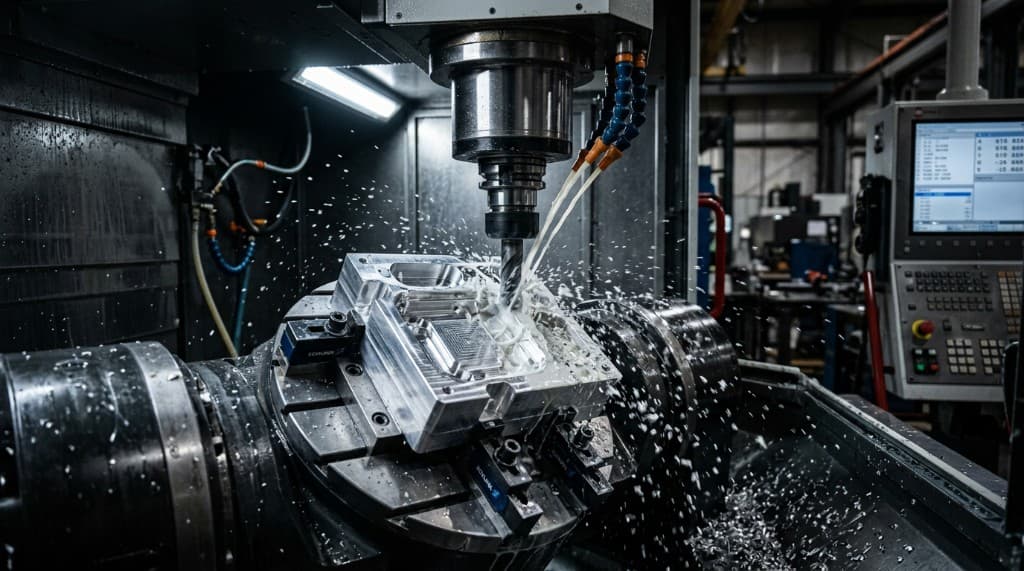
CNC machining
Precision shops for machined parts, tooling, fixtures, and production hardware.
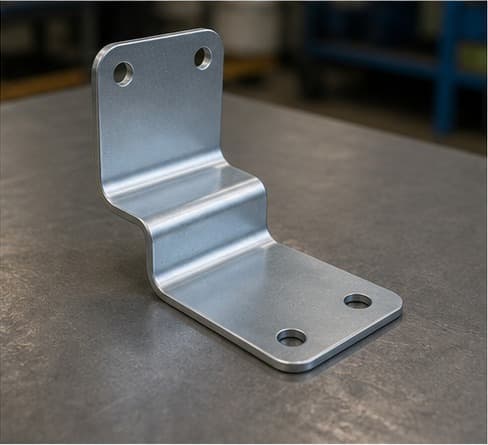
Sheet metal
Fabricators for formed brackets, enclosures, panels, weldments, and finished sheet-metal parts.
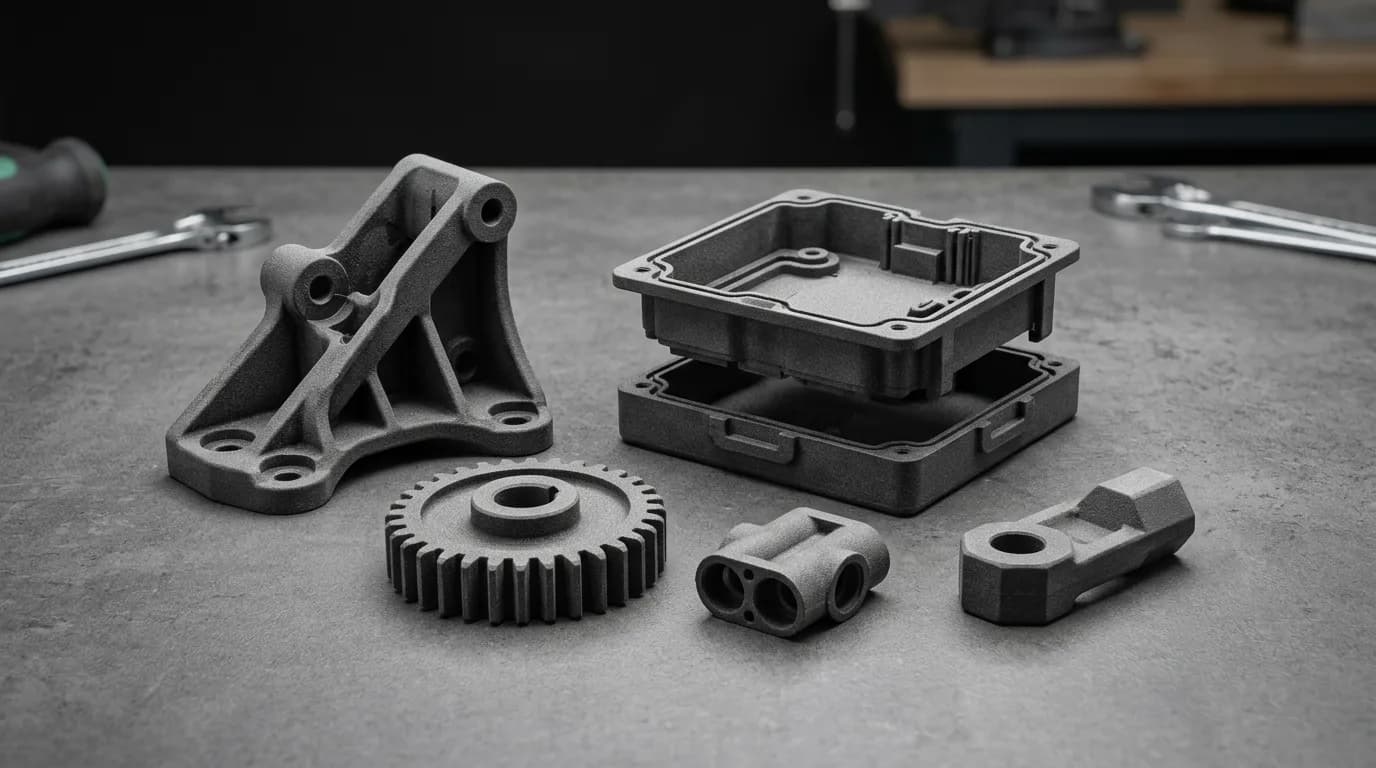
3D printing production
Additive manufacturers for functional nylon, resin, metal, and production-grade printed parts.
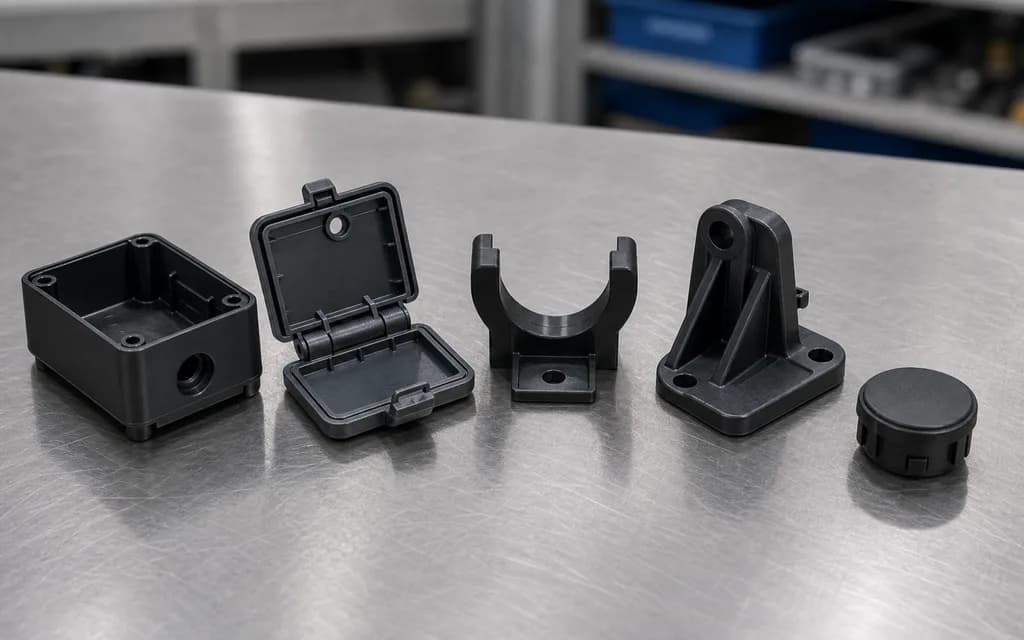
Injection molding
Molding suppliers for plastic housings, covers, brackets, clips, and production parts.
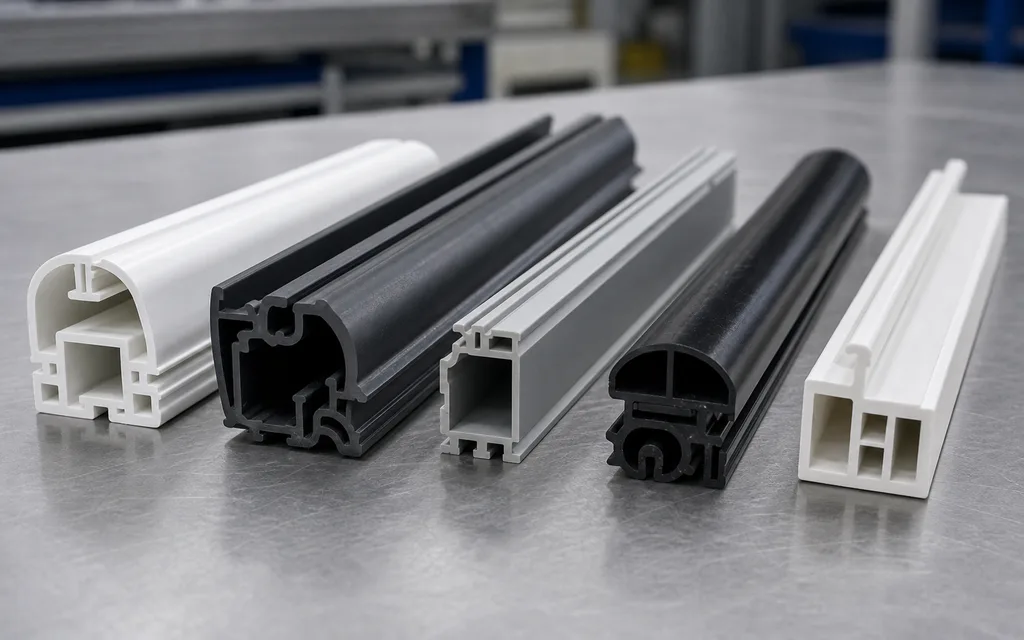
Extrusion
Suppliers for aluminum and plastic profiles, cut-to-length work, secondary machining, and finishing.
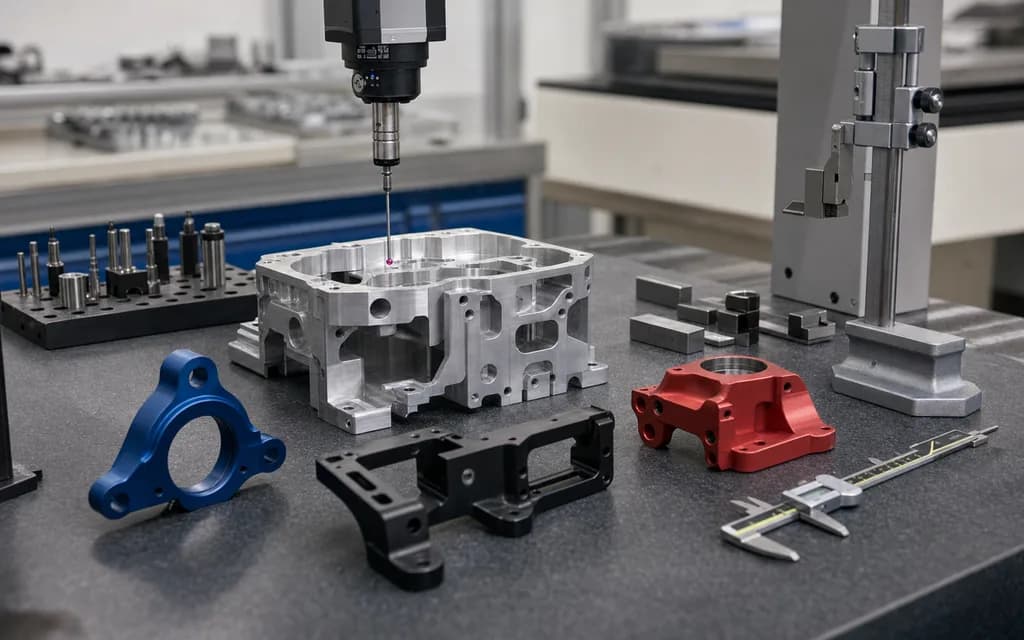
Finishing and inspection
Finishing vendors and inspection teams for coated, inspected, documented, and order-ready custom parts.
Manufacturing Network FAQ
Short answers for buyers who want to understand manufacturer routing, repeat-order continuity, and supplier fit before they submit an RFQ.
Plan The Next Step
Use these pages when you are comparing manufacturing routes, preparing a quote package, or deciding how much inspection to request.
Understand what drives cost across processes, materials, finishes, and inspection scope.
Choose CMM reports, FAI, CoCs, MTRs, and dimensional reporting for custom parts.
Learn how engineering teams evaluate suppliers for production work and repeat builds.