Hardware sourcing playbook
Prototype-to-Production Sourcing for Hardware OEMs
Prototype-to-production sourcing needs revision control, supplier feedback, inspection planning, quantity breaks, and clear stage gates.
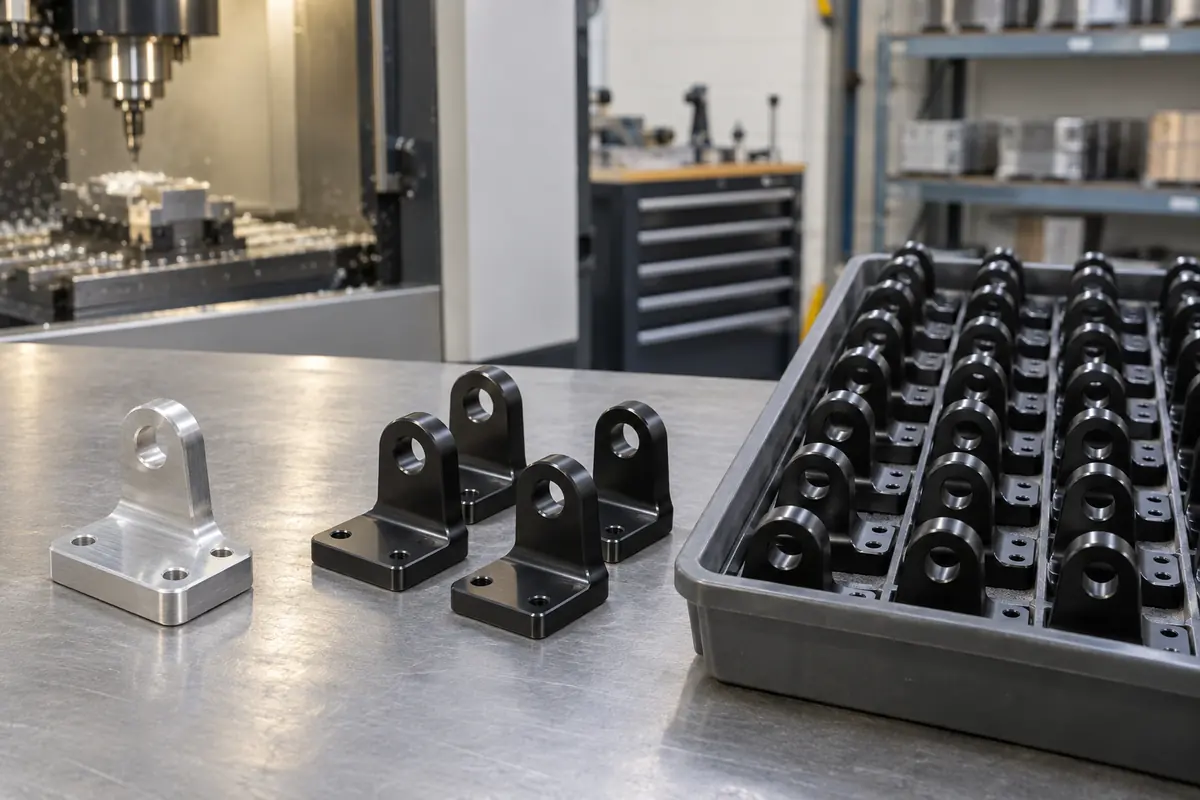
How to use this guide
Use it with the data center hardware manufacturing hub, review the relevant manufacturing capabilities, then prepare the controlled files and acceptance criteria before submitting an RFQ.
Use prototypes to retire named risks
A prototype build is most valuable when the team knows what it needs to learn.
List the interfaces, dimensions, assembly steps, or supplier processes being evaluated. Separate learning objectives from production acceptance criteria.
Ask for DFM feedback while geometry can still change. Record every accepted change in the model and drawing rather than carrying tribal knowledge into the next build.
- Named technical learning objectives
- Manufacturing feedback and open questions
- Measured fit or assembly observations
- Updated controlled design package
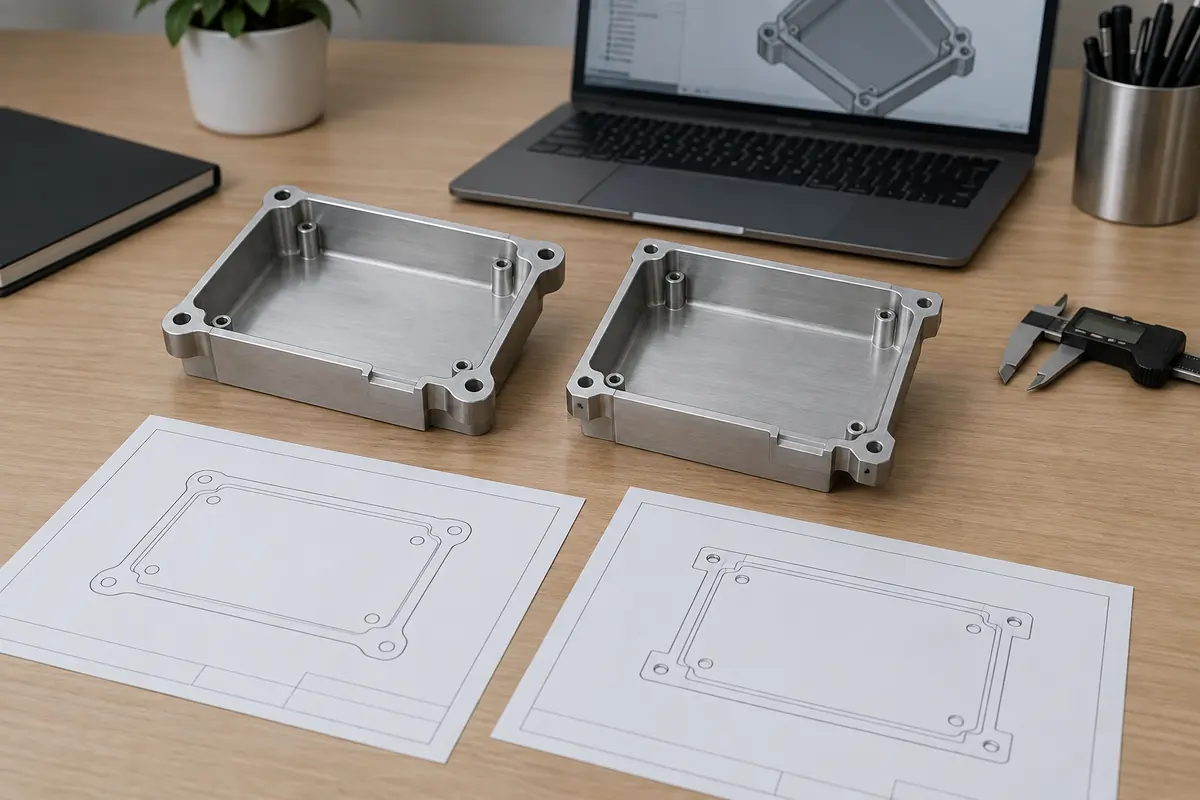
Make the pilot resemble the intended supply chain
Pilot builds should test the documentation and controls needed for repeatability.
Freeze the material, process, finish, supplier scope, inspection plan, and packaging assumptions that matter to production. Use production-intent tooling and work instructions where practical.
Track deviations separately from design revisions. A successful one-time build does not prove the process is ready if it relied on undocumented rework.
- Production-intent process and materials
- Controlled supplier scope
- Inspection and acceptance records
- Deviation and corrective-action log
| Stage | Primary sourcing question |
|---|---|
| Prototype | Can the design and process meet the intended interface? |
| Pilot | Can the controlled package produce repeatable accepted parts? |
| Production | Can capacity, quality, and change control remain stable? |
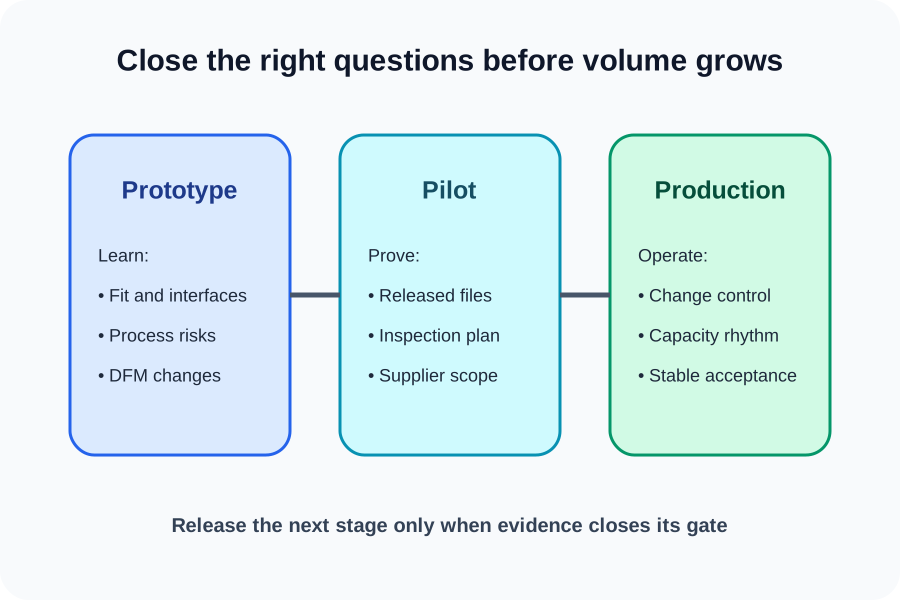
Qualify the production package and operating rhythm
Production readiness combines technical, quality, delivery, and commercial controls.
Confirm the final revision, approved supplier processes, order quantities, lead-time assumptions, inspection requirements, traceability, packaging, and change-notification expectations.
Request quantity breaks that match plausible demand. Keep forecasts clearly labeled so capacity conversations do not become accidental purchase commitments.
- Released model, drawing, and BOM
- Approved process and supplier scope
- Capacity and lead-time review
- Change notification and deviation workflow
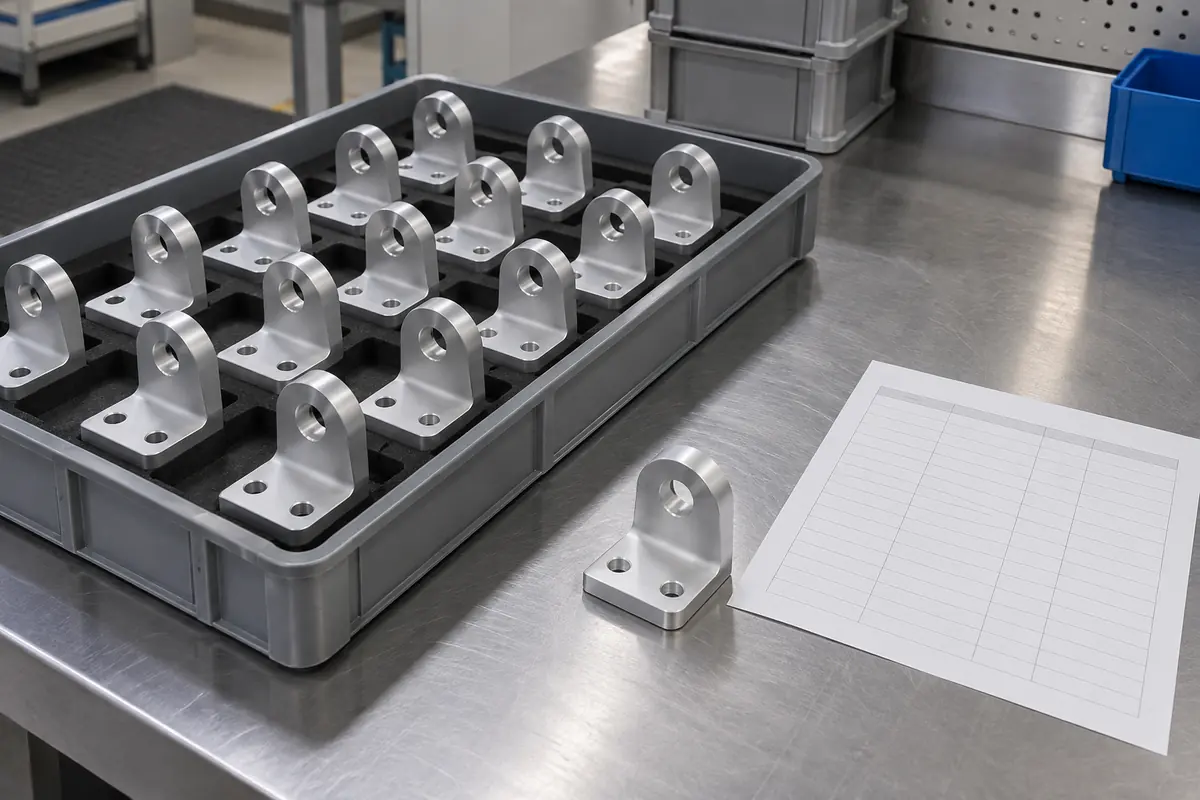
Keep change control active after launch
A stable production part can still fail when revisions, materials, or supplier processes drift.
Use one source of truth for released files and require written approval for deviations. Revisit inspection when a critical feature, material, process, tool, or supplier changes.
Monitor delivery and quality signals using agreed definitions. Escalate trends early, while containment and root-cause work remain manageable.
- Revision and deviation control
- Supplier change notification
- Defined quality and delivery signals
- Periodic review of capacity and continuity risk
Tie every sourcing stage to objective evidence
- Define the evidence required before each stage advances
- Stage gates are adapted to each OEM’s product and risk
- MakerStage can support RFQ DFM and customer-defined documentation needs
- The OEM retains design approval and production-release authority
Technical references
These primary references provide system context. Project requirements still belong in the customer-controlled drawing and specification.
Frequently Asked Questions
What does this guide help a hardware OEM control?
When should a design revision be released?
What should change between prototype and production RFQs?
Related Resources
Bring a controlled component package
Upload the model, drawing, quantity, revision, and requested records. MakerStage will review manufacturability against the supplied scope.
Start an RFQ